Buying Guide: How to Choose a Massage Chair in the UK
Massage chair listings tend to lean on the same handful of buzzwords — zero gravity, deep tissue, 4D — without explaining what actually separates a chair worth buying from one that isn’t. Here’s what to check before you compare individual models.
1. Track type: S-Track vs SL-Track vs 4D
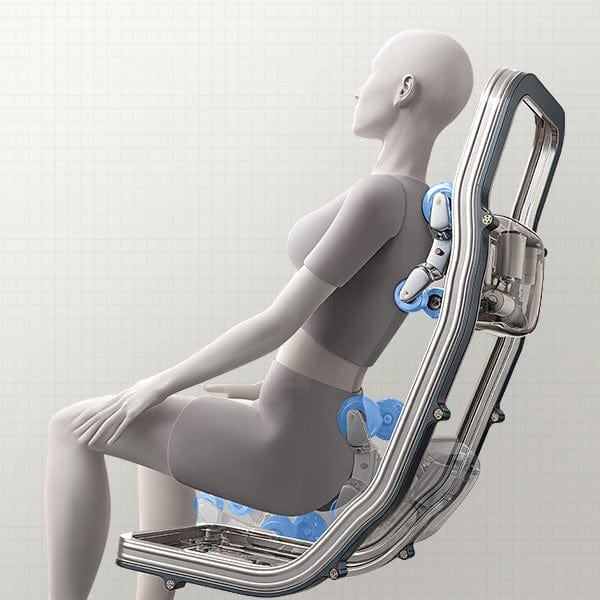
The track is the rail the massage rollers travel along. An S-Track follows the spine’s natural curve but typically stops around the lower back. An SL-Track extends further down into the glutes, giving noticeably more coverage for the price difference it usually costs. “4D” refers to rollers that adjust speed and depth dynamically rather than the shape of the track itself, and can be paired with either S- or SL-Track designs. If lower back and glute coverage matters to you, prioritise SL-Track over marketing terms like “4D”. For the full breakdown of every mechanism in the range, see Types of Massage Chairs Explained.
2. Room size and recline clearance
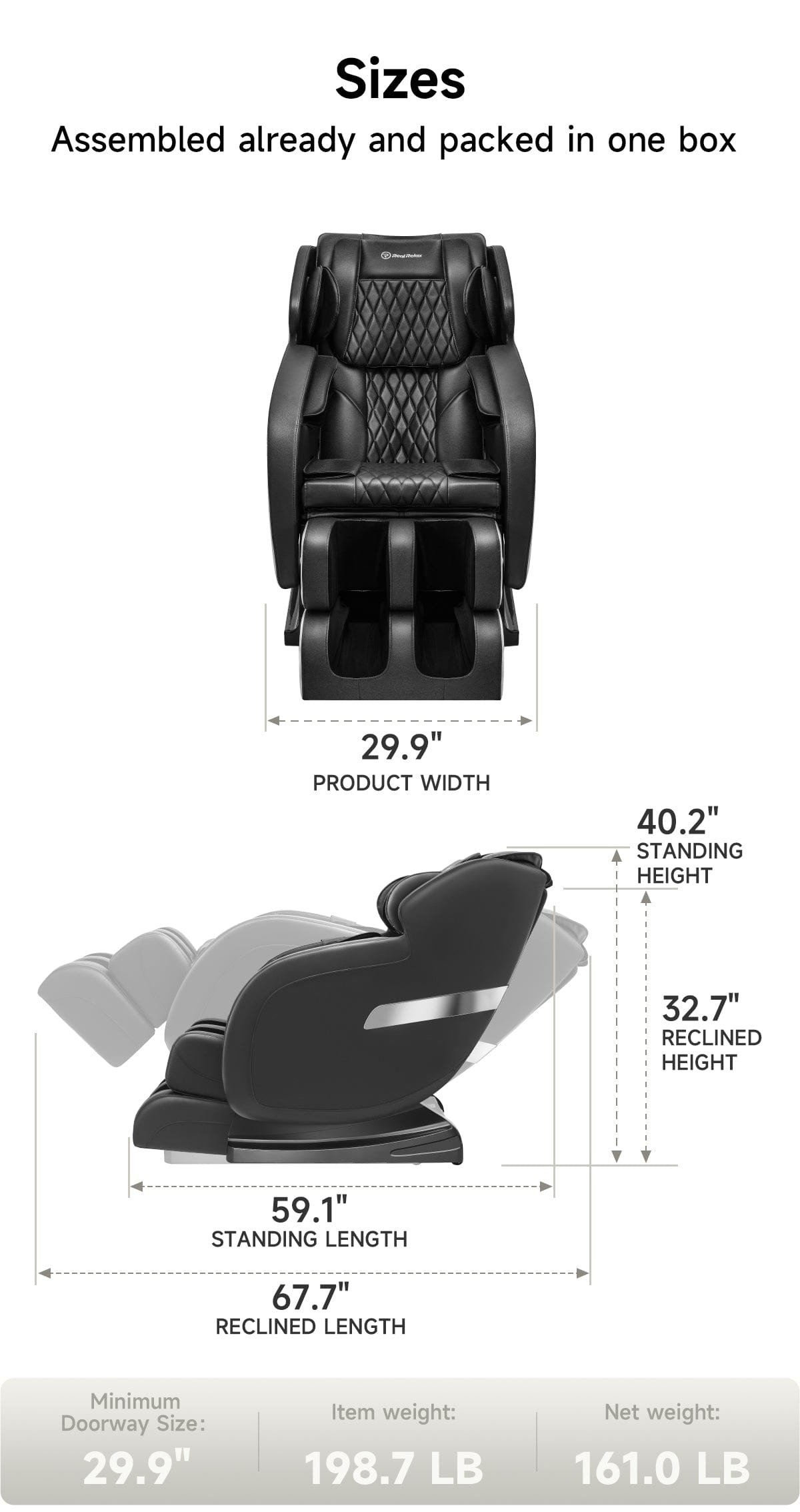
A zero-gravity chair needs significantly more floor space in recline than it occupies upright — often 60–90cm of extra clearance behind the chair, depending on the model. Measure your actual space, including doorway width for delivery, before ordering. This is the single most common reason UK buyers end up disappointed with an otherwise good chair. If you’re working with a smaller room, see Best Massage Chairs for Small Rooms for specific model recommendations.
3. Body size and fit range
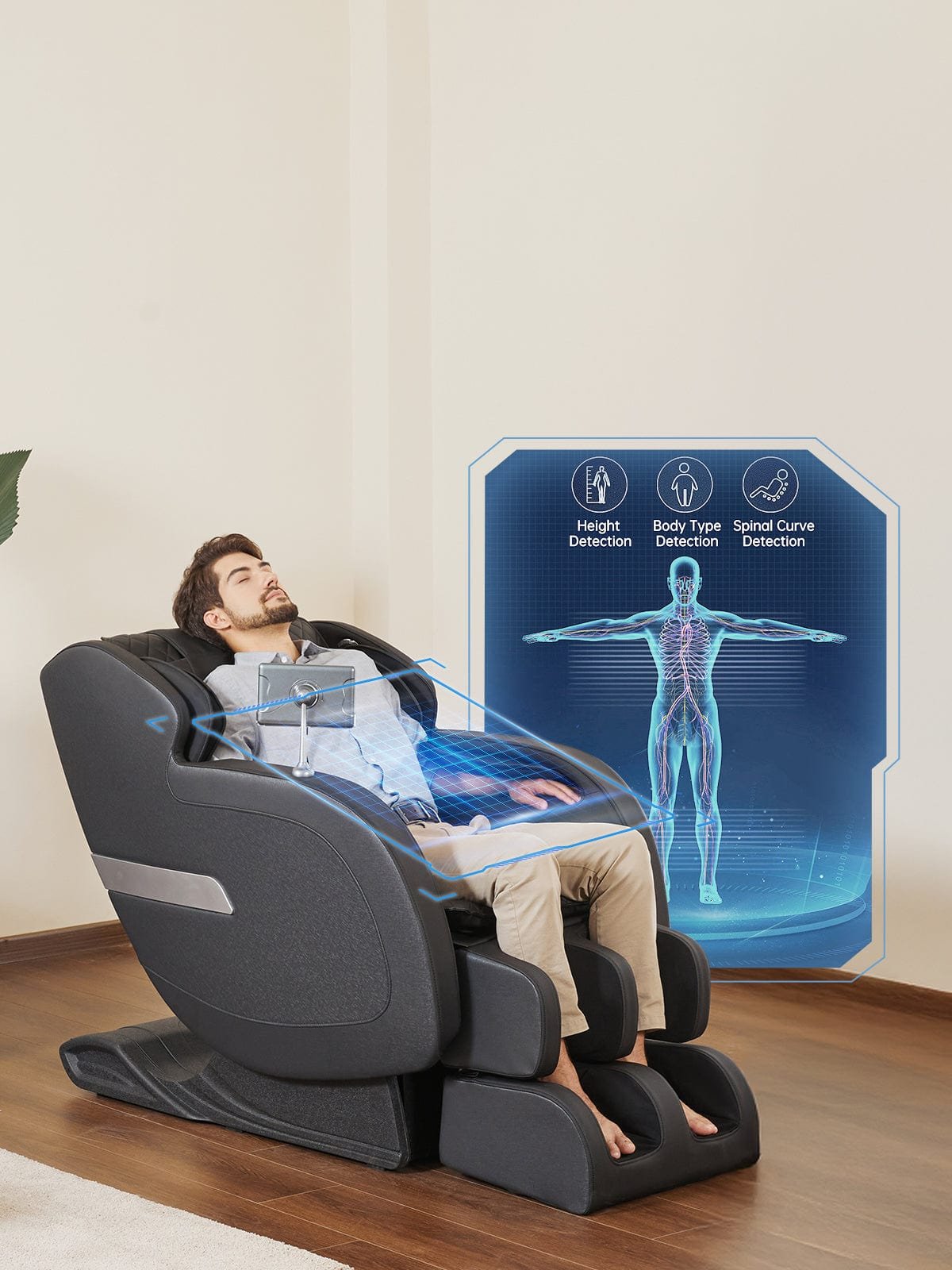
Manufacturers publish height and weight ranges for a reason — a chair sized for a 5’6″ user will not distribute rollers correctly on someone 6’3″, and vice versa. Check the published range against the tallest and shortest person likely to use the chair regularly.
4. Airbags and intensity levels
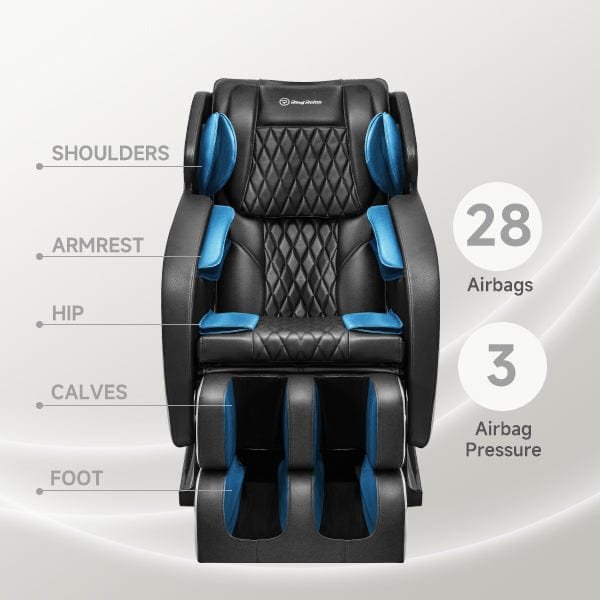
Airbag count is often quoted prominently, but what matters more is where they’re placed (shoulders, arms, hips, calves, feet) and how many intensity levels they offer. A chair with fewer, well-placed airbags and proper intensity control usually beats one with a higher airbag count and no adjustability.
5. Heat therapy
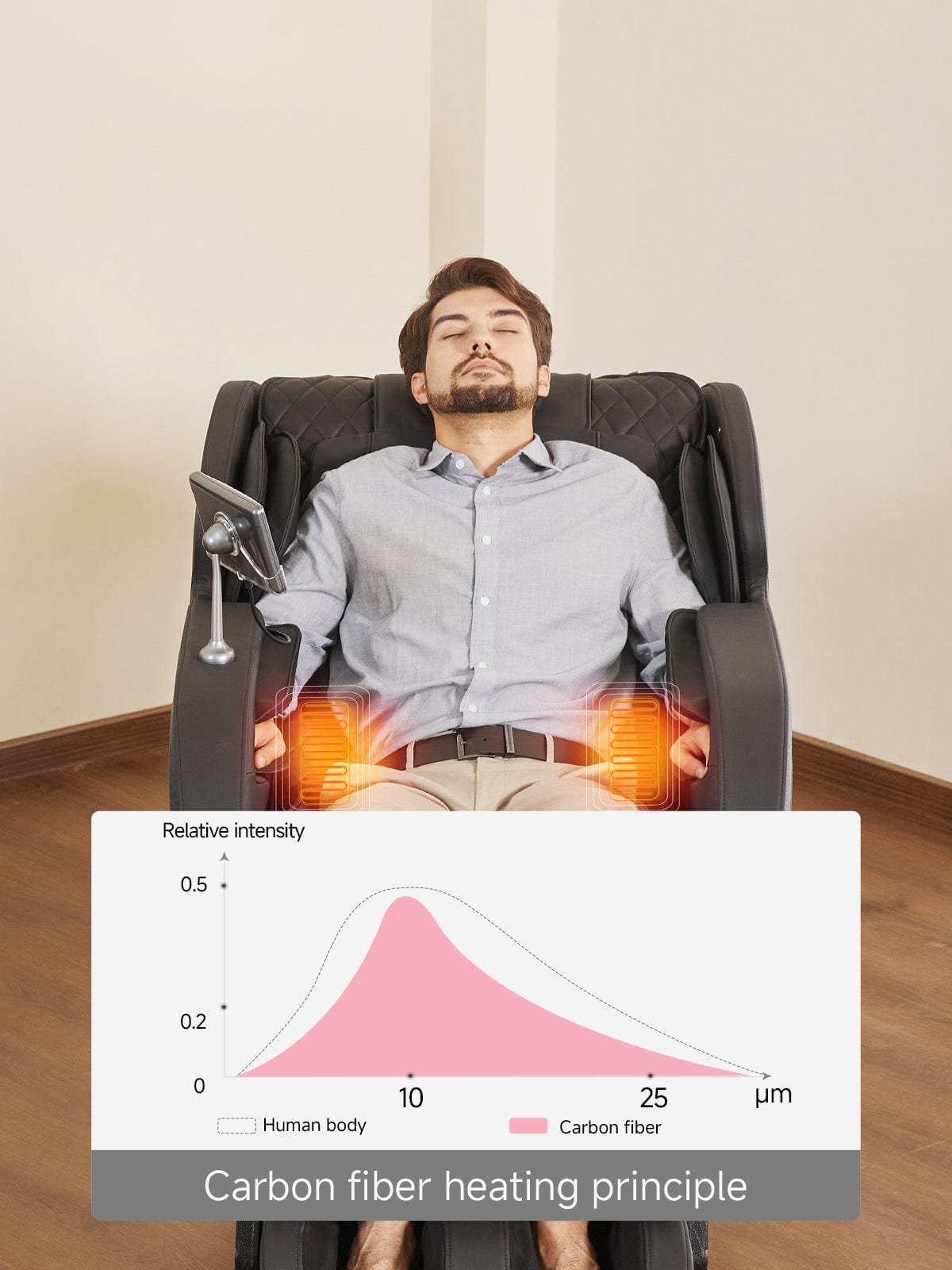
Lumbar or full-back heat is common on mid-range chairs and up, and makes a real difference for people using the chair specifically for muscle tension or lower back pain rather than general relaxation. If back pain is your main reason for buying, see Massage Chairs for Back Pain for which features matter most.
6. UK electrical compatibility
Many popular massage chair brands are US-manufactured and sold internationally, and spec sheets often quote 110V/60Hz as standard. Before ordering, confirm with the retailer whether the specific unit you’re buying is UK-spec (230V/50Hz) or ships with a voltage converter, and check the plug type included.
7. Warranty and delivery
Massage chairs are heavy — most need two-person delivery and some assembly. Check what’s covered by warranty (motor, frame, upholstery are often covered separately), how long it runs, and whether return shipping is realistic given the chair’s size and weight if something arrives faulty.
What’s it going to cost?
See the full UK price-band breakdown for what changes at each price point, from £549 budget chairs to £2,399+ flagships. Pregnant, or buying for someone who is? Read Massage Chair Safety During Pregnancy first.
Once you know which of these matters most for your space and budget, compare specific models on our Best Massage Chairs UK page, or see all guides.